

Joy Without Overwhelm: Adapting Holiday Traditions for Loved Ones with Memory Loss
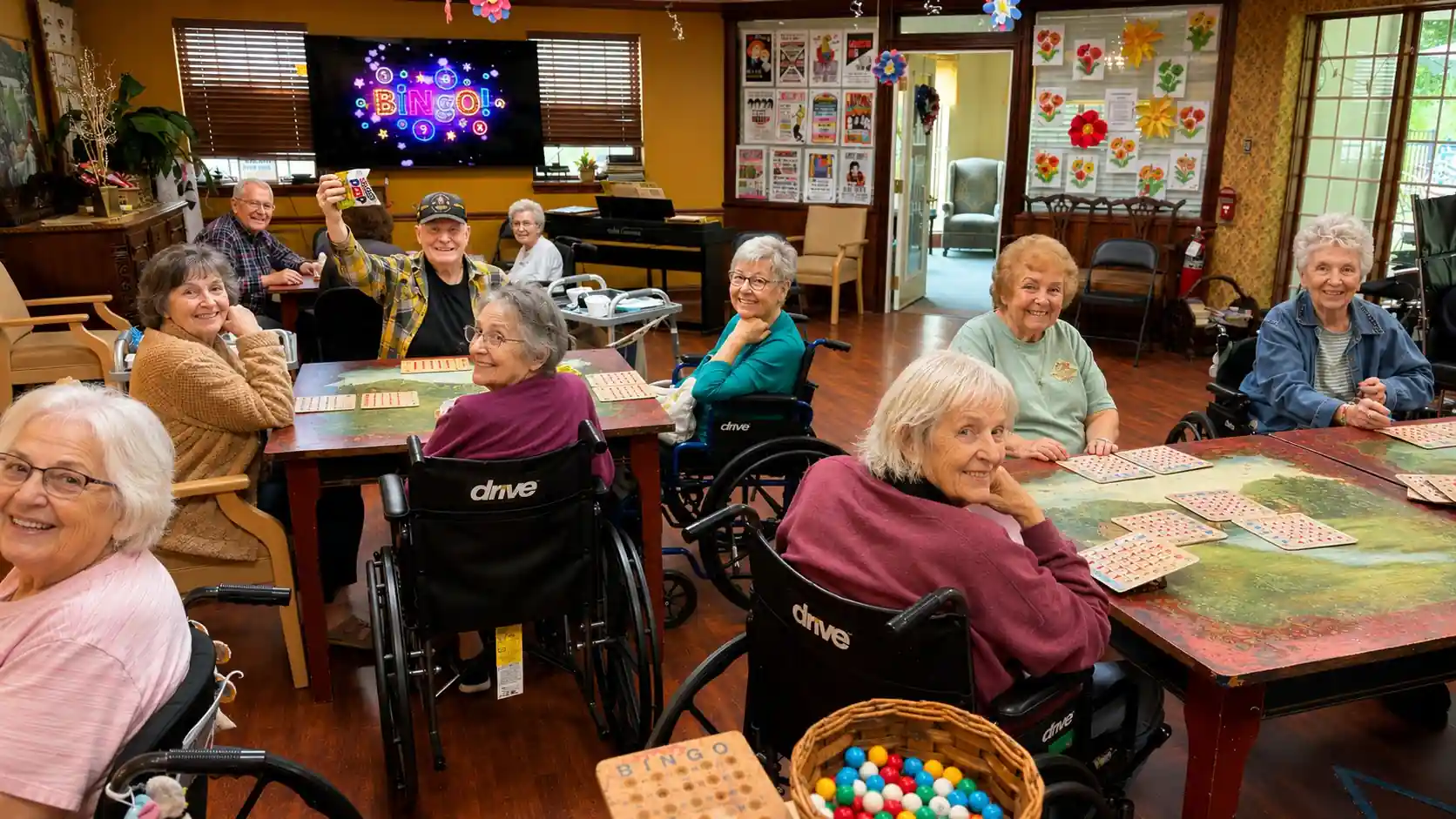
The holiday season is traditionally filled with bustling family gatherings, festive music, travel, and celebratory meals. For individuals living with Alzheimer's disease or other forms of cognitive impairment, however, sudden shifts in routine and sensory-heavy environments can quickly trigger anxiety, confusion, and emotional exhaustion. For caregivers and relatives across Upper St. Clair, Mt. Lebanon, and Bethel Park, implementing thoughtful dementia holiday tips for families Pittsburgh specialists recommend is essential for creating peaceful, joyful moments that honor lifelong traditions without overwhelming a loved one.
The objective of celebrating the holidays alongside someone experiencing memory loss is not to maintain elaborate, high-stress festivities from decades past. Instead, the focus shifts toward comfort, connection, and emotional security. Simplifying gatherings, protecting daily rhythms, and focusing on sensory comforts allows families to experience genuine connection while keeping stress low for everyone involved.
Understanding Holiday Stress in Cognitive Decline
According to clinical resources from the Alzheimer's Association, holidays disrupt the predictable environments that seniors with cognitive changes rely on to feel secure. Recognizing the specific factors that trigger distress helps families plan proactively.
Key Triggers Include:
- Sensory Overload: Simultaneous conversations, crying grandchildren, television noise, clattering dishes, and blinking decorative lights can overtax a brain that already struggles to filter competing stimuli.
- Disrupted Daily Schedules: Late afternoon dinners or delayed bedtimes interfere with natural circadian rhythms, significantly worsening evening agitation, pacing, and confusion commonly known as sundowning.
- Travel Fatigue and Unfamiliar Spaces: Transporting a senior to an unfamiliar house filled with unfamiliar sights and sounds strips away the spatial memory cues they use to navigate safely.
- Unrealistic Expectations: Expecting a parent with memory loss to remember distant relatives, maintain long conversations, or sit through multi-hour formal meals creates emotional tension for both the senior and family members.
Essential Holiday Strategies for Caregivers
Adapting celebrations requires small, intentional adjustments. Following these practical dementia holiday tips for families Pittsburgh families trust ensures gatherings remain meaningful and calm.
1. Keep Gatherings Small and Intimate
Large parties with dozens of guests are frequently overwhelming. Consider staggering family visits across several days so your loved one interacts with only two or three relatives at a time. A quiet conversation over hot cider with one grandchild creates far deeper connection than sitting amidst a crowded, noisy living room.
2. Protect Daytime Routines and Plan Around Peak Hours
Seniors experiencing memory loss are typically at their sharpest during morning and early afternoon hours. Schedule family visits or holiday lunches between 11:00 AM and 2:00 PM, avoiding late evening events when fatigue sets in. Keep habitual wake-up times, meal hours, and medication schedules completely consistent.
3. Create a Dedicated Quiet Retreat Space
If you are hosting at home, designate a quiet, dimly lit bedroom where your loved one can rest if the main room becomes too stimulating. Stock this retreat with soft blankets, familiar family photographs, and soothing, low-volume music.
4. Engage Through Sensory Memories Rather Than Complex Conversations
Long-term emotional memory remains intact long after short-term recall fades. Rather than quizzing a parent about current events or recent dates, tap into familiar holiday sensations:
- Aromas: Fresh evergreen boughs, cinnamon sticks, baking bread, and vanilla naturally evoke warm, nostalgic feelings.
- Tactile Tasks: Invite your loved one to participate in low-pressure tasks like arranging fresh pinecones in a bowl, folding festive cloth napkins, or stringing popcorn.
- Classic Music: Soft acoustic recordings of familiar holiday hymns and classic carols from their youth stimulate neural pathways and evoke comfort.
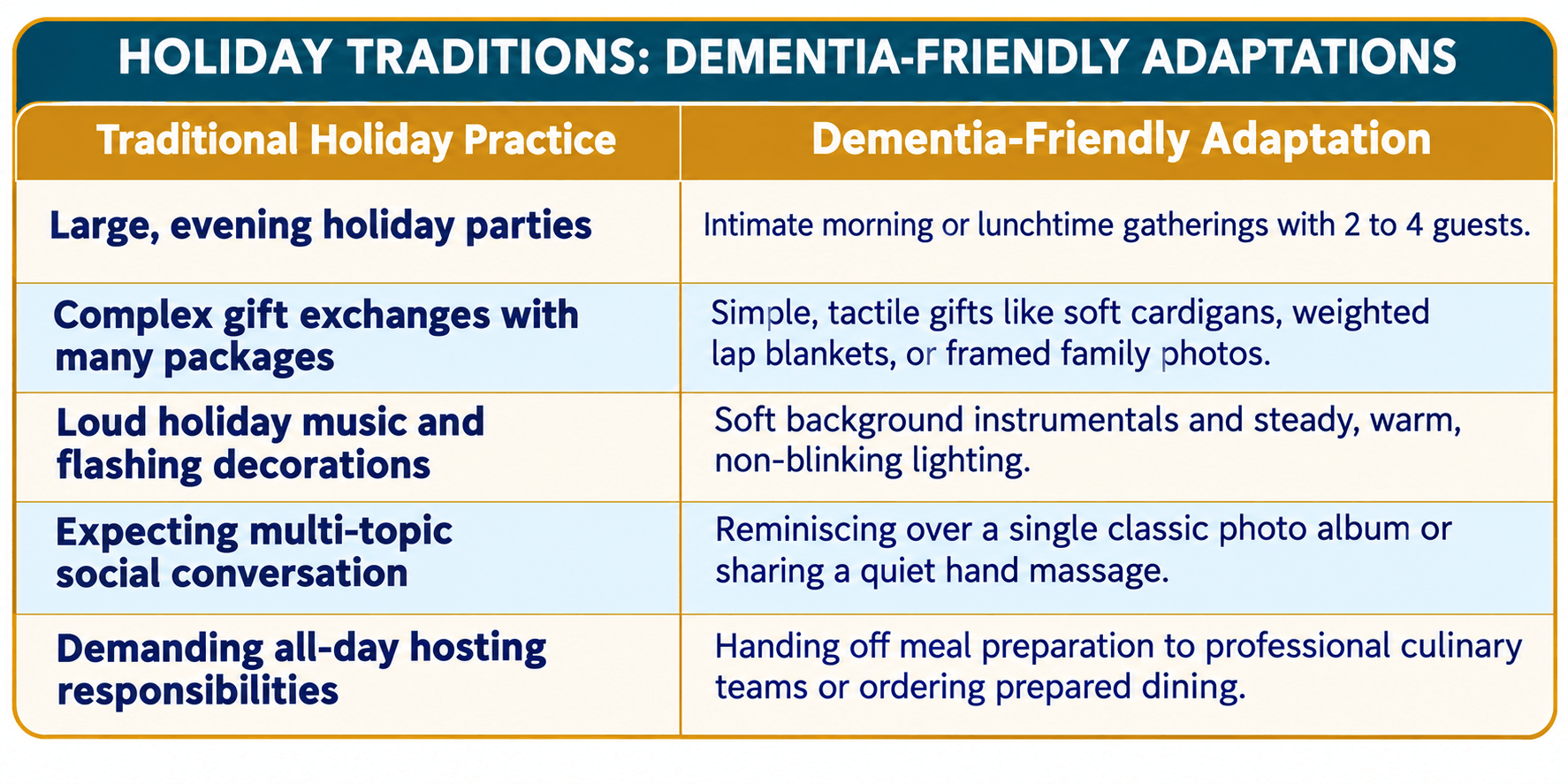
Adapting Traditional Holiday Habits
Modifying expectations allows everyone to enjoy the true spirit of the season without unnecessary exhaustion.
Proactive Care vs. Winter Isolation
Beyond physical architecture, consistent daily support is the foundation of effective winter safety for seniors Pittsburgh families rely on. Our community combines an active daily lifestyle with uncompromised personal care to keep residents thriving all season long.
- 24-Hour Wellness Oversight: Our attentive care team provides regular wellness checks around the clock. If a resident feels unwell during the peak of cold and flu season, immediate support is always down the hall.
- Care-Included Base Rate: Essential support is built directly into your monthly fee. Medication management and daily routine assistance are provided without unexpected itemized charges, ensuring residents stay physically healthy and properly medicated even when the weather outside is severe.
- Active Social Calendar: Winter isolation is replaced with daily engagement. From creative arts and educational forums to indoor fitness groups, our residents enjoy a robust schedule that keeps the mind and body active regardless of the weather.
- Scratch-Cooked Culinary Dining: There is no need to brave the freezing rain for groceries. Our professional chefs cook every meal from scratch daily, serving wholesome, hot, nutrient-dense meals in a warm restaurant setting.
The "No Second Move" Promise: Permanent Winter Peace of Mind
Selecting a community that offers long-term stability is the greatest gift a family can give an aging parent. The Polachek family has provided compassionate personal care across Pennsylvania since 1984.
Built on this 42-year family legacy, we operate under a signature "No Second Move" philosophy. If a resident's physical mobility or care needs increase over time, they do not have to pack up and move to a new wing or a separate nursing facility. We bring two additional progressive care levels directly into their original suite. This guarantees that residents keep their familiar surroundings, their favorite furniture, and their close friendships without disruption.
While The Grand Residence does not accept Medicaid, we work closely with families utilizing Private Pay, Long-Term Care Insurance, and VA Aid and Attendance benefits to secure sustainable, premium care.
Secure a Warm, Safe Winter at The Grand Residence
You do not have to spend another winter worrying about your loved one walking on icy steps or sitting alone in a cold house. By prioritizing winter safety for seniors Pittsburgh families ensure their parents enjoy a season filled with warmth, exceptional food, and reliable care.
If you are exploring care options in the South Hills, browse our community blog for more seasonal planning tips or speak directly with our admissions directors.
Contact us today to schedule a private tour of The Grand Residence at Upper St. Clair and discover how our spacious suites and care-included model provide total peace of mind all year long.
Come See It for Yourself
The best way to know if The Grand Residence is right is to walk through the door. Take a tour, meet the team, have lunch if you like. No pressure, no sales pitch, just a chance to see what life here actually feels like.